
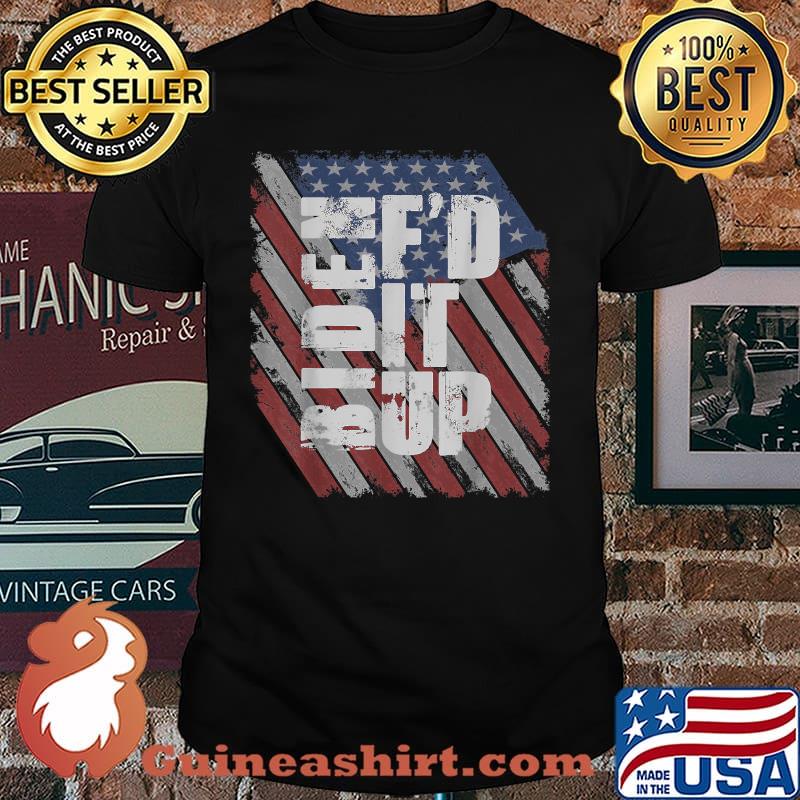
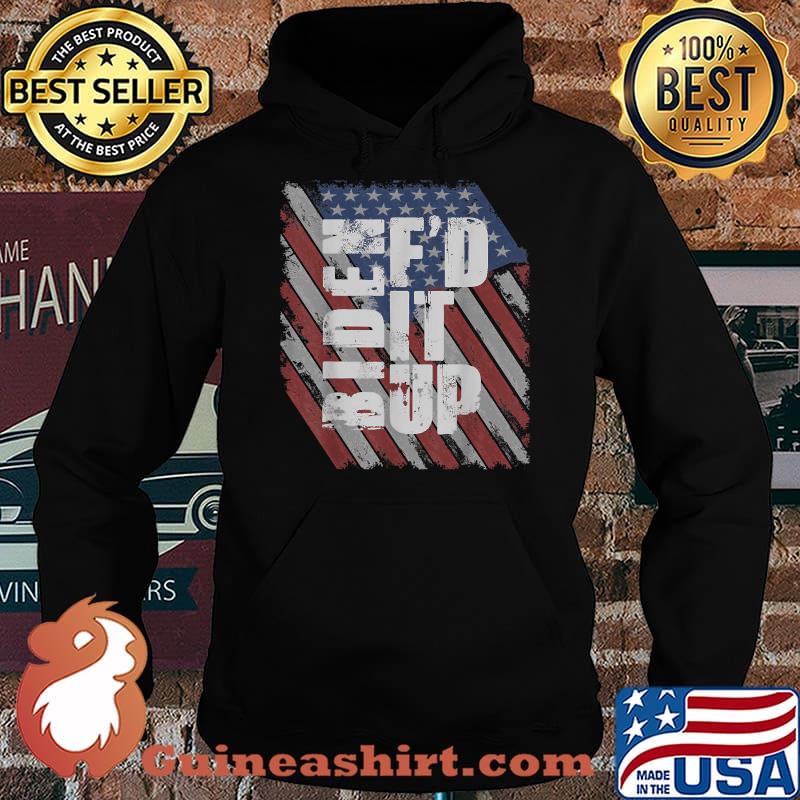
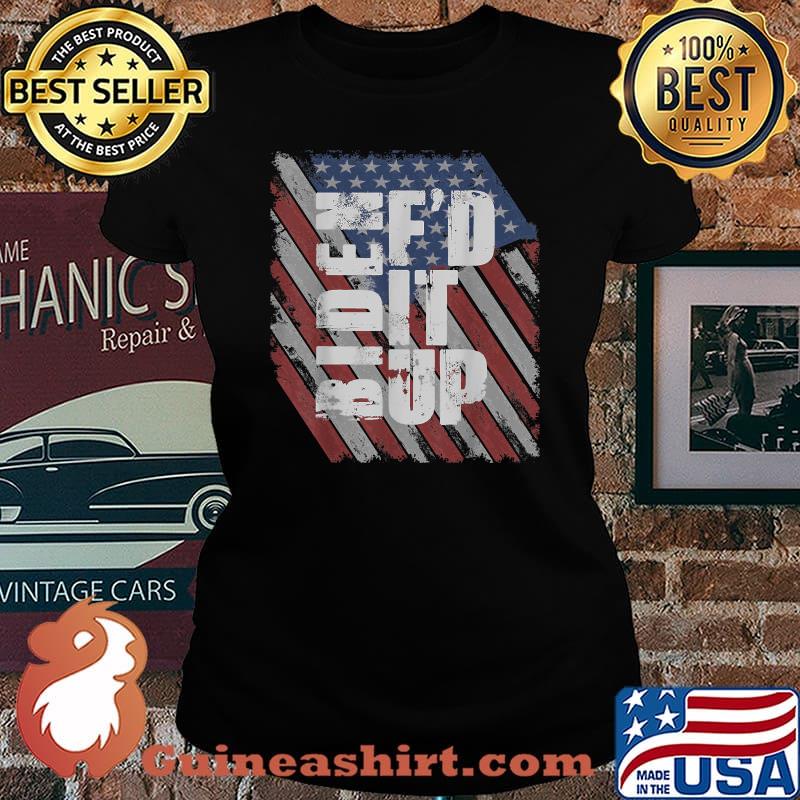
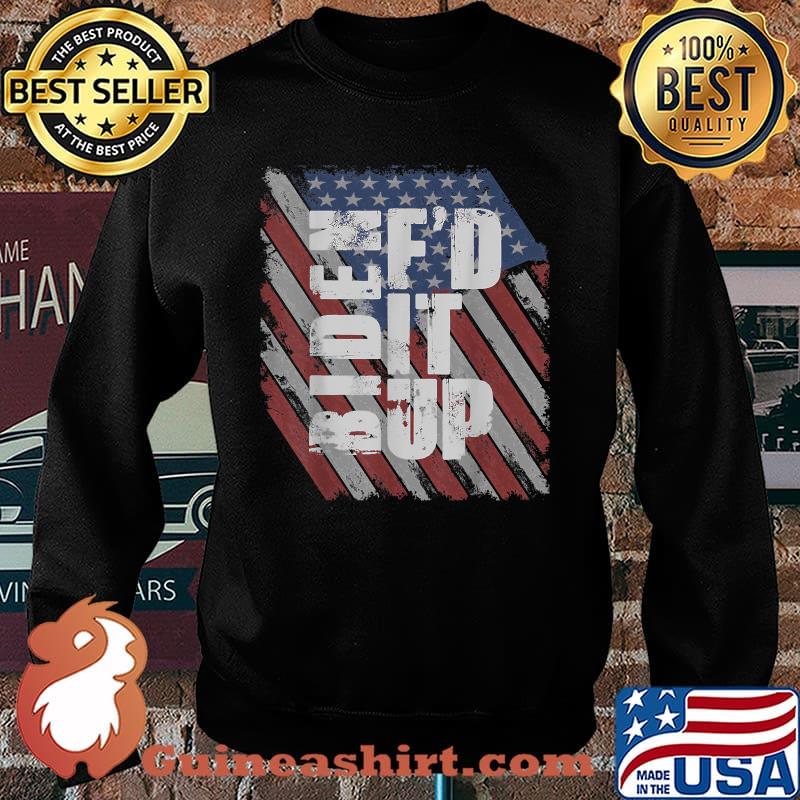
Biden F’d It Up American Flag T-Shirt
Original price was: $27.99.$22.99Current price is: $22.99. Save 18%
- Secure checkout with trusted payment options
- Tracked delivery, free replacement if defective or damaged
- Printed to order and shipped from the USA
- Category
- Trending
- Design
- Original artwork, copyright protected
- Printing
- Printed to order and shipped from the USA
- Processing
- 2–3 business days after your order is placed.
- Delivery
- 5–10 business days within the US, 7–15 business days internationally.
- Cost
- Calculated at checkout from your address and the number of items.
- Tracking
- A tracking number is emailed as soon as your order ships.
Chef, restaurateur, and activist Alice Waters has influenced almost every facet of contemporary American cuisine. Her farm-to-table restaurant, Berkeley’s Chez Panisse, opened in 1971 with the Biden F’d It Up American Flag T-Shirt Furthermore, I will do this simple mission of using local and organic produce to serve superlative California cuisine. And her advocacy—from the Edible Schoolyard Project to her School Lunch Initiative—has inspired the likes of Michelle Obama, who campaigned as First Lady for expanded access to healthy food in schools.But in Waters’ forthcoming book—We Are What We Eat: A Slow Food Manifesto—her aperture expands far beyond food. The way we eat is emblematic of how we live our lives, she writes, both as individuals and as a culture. Fast food values, like uniformity, convenience, cheapness, and speed, have infiltrated our entire lives, anesthetizing us to natural beauty and our own capacity for change. Her antidote? Living by what she calls slow food values, like beauty, seasonality, stewardship, and simplicity. Doing so, she writes, can change our relationship with food, each other, and the planet itself.I spoke with Waters on a sunny May afternoon, as she drank tea in her Berkeley kitchen from a handmade Irish bowl gifted to her by a friend. Her attention to these details is the backbone of her quiet radicalism. Choosing care, connection, and integrity—again and again, in each decision—is slow food’s gateway to a meaningful life, she said, not to mention an incredible dinner.One of my favorite quotes in the book is “beauty is the language of care.” How can slow food values help us re-frame what we consider beautiful?Growing up in New Jersey, I remember taking in the changing seasons in awe. Our family would go for drives to see the trees changing colors in the fall and flowers coming up in the spring, and look for ripe tomatoes and corn in summer. Paying attention to these things gives you a sense of meaning in life. We’ve deadened ourselves to this, which is another horrible crime of fast food culture. It’s taken away our ability to find meaning in everyday life. We’re looking on our phones for feelings that can’t be found there. A kiss on the cheek? Or touching a beautiful fabric? These feelings are found in the real world. We need to get back to the understanding that beauty can be found by taking in the endless wonder of nature—and also in small actions, like lighting candles on your dinner table.How can slow food values re-make our institutions for the better? Slow food values don’t only apply to restaurants. I’ve spent 50 years watching what happens when people take slow food values and create schools and businesses where they’re embedded. These values are available to everybody, and everyone interprets them in their own way. It doesn’t matter what the business is. It matters how you treat and compensate the staff, how you encourage collaboration, and make every physical space in your organization a nice place to work.How do you do that with a physical space?The Obama presidential library asked me to advise them on designing a kitchen. I told them it needs to be big enough to serve the whole staff every day, with everyone eating together. Not just the people who run the library, but the people cleaning up, everyone. And with schools—why are we designing them to look like factories instead of places in learning? I want them all to look like the American Academy in Rome. I helped design the new ramada at the Edible Schoolyard Project, and I made sure it inspired me like the Pantheon in Rome. It’s the most exciting thing I do, trying to feed people these slow food values. Catching them unaware, so they don’t even know I’ve designed it for them to fall in love.How do you design for that kind of love?Acme Bread company, one of our Chez Panisse vendors, is a perfect example. Steve Sullivan went to France and learned different techniques from Poilane, because it was important for him to learn from a culture with a history of making bread. He came back and worked for a while out of his UC dorm, and then brought his loaves to Chez Panisse. We told him if he opened a bakery we’d buy everything. And so he did. During the pandemic, people have stood in a socially-distant line and waited half an hour, 45 minutes, for his loaves of bread. And when I think about why they’re doing it, it’s for a sense of community. For the smell when they walk into the shop. For the feeling of just-baked bread, warm in their hands as they walk out. It makes them feel good. That is something that’s very related to slow food—having people experience through all of the senses. I want it to smell fantastic in a restaurant always. Fast food restaurants smell industrial. No wonder you want to get it from a drive-by.Tell me about your idea for school-supported agriculture.At Chez Panisse, we told our farmer Bob Cannard that we would buy everything he had and pay him the real cost. This meant he didn’t have to go through a middleman and didn’t have to bring all his food to the market hoping to sell it. The idea behind school-supported agriculture is doing this at scale around the country, with the American public school system telling local, regenerative, organic farmers and ranchers they will buy all the farmers’ food for school meals. The cornerstone idea is a free regenerative school lunch for every child, which instills slow food values in children directly, naturally, and pleasurably.That kind of guaranteed income seems like it could also pave the way for many more people to open regenerative farms around the country.It guarantees farmers’ income, which certainly would allow more people with slow food-aligned missions to go into business. Just imagine if we could guarantee that kind of security for people whose mission is about saving the environment, feeding children, and ending food insecurity. We could allow so many people to work in meaningful jobs if our public schools understood the climate and nutritional necessity of school supported agriculture. But we’ve allowed our schools to be industrialized like our farms. Everyone is trained to go to school for a high-paying job. Meaningful work is something we have never talked about as a nation, even though it’s essential. Everyone needs to work in a place where they feel they have a purpose and are contributing to something.The number of farmers under the age of 35 is increasing for only the second time in the past century. These farmers are growing organically, and with respect for their local food networks. How do you see this as tied to the politics of younger generations?Young people today believe in stewardship, and understand that nourishment begins in nature. They want to build community, they understand that Black Lives Matter, they are trying earnestly to address climate change. Their perspective and energy is wonderful.You talk about how the term “sustainability” has become meaningless as it’s been co-opted by corporations. Instead of sustainability, we should be focusing on regenerative agriculture, which actively reverses climate change. How can an individual support regenerative agriculture?Buying all your food at the farmers market or through community supported agriculture is the best way to do it. It’s not the easiest way, but it can be the most gratifying. We also need to stop the industrial production of animal products. Cold turkey. Full stop. None tomorrow. And we need to eat fewer animal products, and know where every bite comes from. I have beautiful eggs in my refrigerator right now, in every color, and I feel comfortable with that because I know the chickens are being raised right. Knowing where animal products come from is vitally important.You talk about seasonality as a slow food value—eating everything in season without expecting everything to be available year round. What should we look to buy and eat in June?L’industrie, in my humble opinion the best pizzeria in the city, recently reopened in Brooklyn. I was there celebrating on opening night with Pam Yung, cult-favorite baker and head chef at Flor London. Of all the pizza joints in the city, how do we decide which one to walk into on a given day and who are we supporting when we choose where to eat? A bit of research on this question led me to Polonsky and Friends, the design studio behind Flor. Most recently, founder Anna Polonsky, along with photographer Teddy Wolff, started a new project in the food world, one which highlights New York City’s independent food makers. New Yorkers love chefs and restaurant culture. But the pandemic has brought about a new relationship with artisanal food, one in which we seek people who are making carefully sourced small batch items, often outside of the restaurant world. Polonsky and Wolff’s newsletter, The Deli, finds these individuals for us as “an ode to the artisanal food makers of New York.”When I read the interview with ice cream makers Jesse Merchant and Javier Zuniga of Bad Habit, I knew that I needed to have this ice cream. “We’re straight-out-of-the-pint people. There’s no better way. We always tell customers to keep it in the freezer but take it out like 10 minutes before you’re going to eat it.” As I placed my order for blood orange creamsicle and olive oil, I started thinking about my most recent incredible ice-cream experiences. The pistachio and vanilla soft serve swirl affogato that Nick Baglivo of L’industrie perfected and served on their new counter for me and my sister, the cookies and cream Van Leeuwen pint that my boyfriend and I picked up at the bodega before watching a ’90s Almodovar movie, the Ukrainian vanilla and chocolate ice-cream bar that my mom pulled out of the freezer last time I went home to my parents house in New Jersey. And that’s the thing about eating: When you know who is making your food and that there’s a story behind it, the experience takes on a deeper meaning.I’ve seen Danny’s Nut Butter in Homecoming, my neighborhood coffee shop. The Deli interviewed founder Danny Castañeda, who explains its origin. “I had to figure out a steady form of income, so I started making batches of nut butters again just out of my house with a KitchenAid blender, fulfilling via Instagram DM, and hand delivering them on my bike.” This type of self-starting story permeated most of the founders interviewed. Through the newsletter, you can find gluten-free baker Lani Halliday, also known as the person behind Yoko Ono’s favorite cookie. You can find the Borgattis, an Italian family who has been making ravioli and other egg pastas in the Bronx for three generations now. You can order Israeli meals with a menu that changes weekly, and you can read recommendations from the makers themselves on their favorite places to eat in New York. (Most of them ship nationwide!) Knowing the people who make food leads to clarity around sourcing, a lower carbon footprint, and an economy that supports local community.As it evolves and grows, The Deli will become a resource to connect shoppers with choice makers and it will be a platform to highlight these individuals who are working independently. “A lot of these people are selling through DM on Instagram so you have to be friends with them to know that it exists and at the same time, they are at a point where it’s difficult for them to fulfill orders,” Polonsky says. Both boutique and sought-after, the artisans that Polonsky and Wolff highlight are at capacity within their networks but have not (yet) scaled up.Wolff and Polonsky both come from a highly curated visual food world but wanted to take a different approach with photography for The Deli. “We wanted the photos to show the side of food that you don’t get to see in restaurants,” explains Polonsky of the visual storytelling. “We wanted the photos to show the mess and the unglamorous side of it that we think is really cool.” The result is an approachable source for authentic insider knowledge, worth reading week after week.
Biden F’d It Up American Flag T-Shirt, hoodie, tank top, sweater and long sleeve t-shirt
When it comes to gifts and things to do for Father’s Day, the Biden F’d It Up American Flag T-Shirt Furthermore, I will do this best type of present is one that involves time with his children—especially after a year like 2020. So this Father’s Day, do visit your dad but think beyond the standard BBQ itinerary. Sure, burgers are great, but why not spend the holiday making pizza together on a new portable pizza oven? It’s an experiential gift which, after the day is over, will leave him with everything he needs to make the perfect pie at home.When shopping for ovens, might we suggest one from Ooni? Their sleek and modern designs are both easy to use and aesthetically pleasing and will make for an attractive addition to his collection of cooking gear, barbecues, and gadgets. It’s really the ideal gift for dads who like to cook, eat, and entertain outside, and yes, it’s actually portable. He can make his very own wood-fired pizzas in the backyard and beyond—think tailgates, the beach, at his friends’.A few summers ago, my family surprised our dad with his own portable pizza oven for Father’s Day. Before the weekend, we stocked the fridge with dough, fresh mozzarella, a few bottles of his favorite red wines, and a selection of gourmet ingredients and pie toppings. Unsurprisingly, it was a big hit. So this year, we’re taking things an extra step further and equipping him a few more pizza-making accoutrements like a handsome chef’s apron, a cookbook with endless inspiration of pizza creation, a chic travel cutting board set for on-the-go pizza-making, and even a hydroponic grow kit for a hint of fresh basil.Below, find a slice of inspiration for the celebration and the items needed to plan your own successful pizza-making surprise. Out of all of the things to do for father’s day, this one will certainly be the most delicious. Bon appetit!
Be the first to review “Biden F’d It Up American Flag T-Shirt”
You must be logged in to post a review.
| Size | Length | Chest |
|---|---|---|
| S | 28in | 18in |
| M | 29in | 20in |
| L | 30in | 22in |
| XL | 31in | 24in |
| 2XL | 32in | 26in |
| 3XL | 33in | 28in |
| 4XL | 34in | 30in |
| 5XL | 35in | 32in |
| Size | Length | Chest |
|---|---|---|
| S | 25in | 16in |
| M | 26in | 17in |
| L | 26.5in | 18in |
| XL | 27in | 19.7in |
| 2XL | 27.9in | 21.6in |
| 3XL | 28.5in | 22.7in |
| Size | Length | Chest |
|---|---|---|
| S | 28in | 18in |
| M | 29in | 20in |
| L | 30in | 22in |
| XL | 31in | 24in |
| 2XL | 32in | 26in |
| 3XL | 33in | 28in |
| Size | Length | Chest | Sleeve |
|---|---|---|---|
| S | 26in | 20in | 33.5in |
| M | 27in | 22in | 34.5in |
| L | 28in | 24in | 35.5in |
| XL | 29in | 26in | 36.5in |
| 2XL | 30in | 28in | 37.5in |
| 3XL | 31in | 30in | 38.5in |
| 4XL | 32in | 32in | 38.5in |
| 3XL | 34in | 33in | 38.5in |
| Size | Length | Chest |
|---|---|---|
| S | 27in | 18in |
| M | 28in | 20in |
| L | 29in | 22in |
| XL | 30in | 24in |
| 2XL | 31in | 26in |
| Size | Length | Chest | Sleeve |
|---|---|---|---|
| S | 28in | 18in | 33.5in |
| M | 29in | 20in | 35in |
| L | 30in | 23in | 36.5in |
| XL | 31in | 24in | 38in |
| 2XL | 32in | 26in | 39.5in |
| 3XL | 33in | 28in | 39.5in |
| Size | Length | Chest | Sleeve |
|---|---|---|---|
| S | 27in | 20in | 34.5in |
| M | 28in | 22in | 35.5in |
| L | 29in | 24in | 36.5in |
| XL | 30in | 26in | 37.5in |
| 2XL | 31in | 28in | 38.5in |
| 3XL | 32in | 30in | 39in |
| 4XL | 33in | 32in | 39.5in |
| 5XL | 34in | 34in | 40in |
| Size | Youth Size | Length | Chest |
|---|---|---|---|
| S | 6-8 | 20.5in | 16in |
| M | 10-12 | 22in | 17in |
| L | 14-16 | 23.5in | 18in |
| XL | 18-20 | 25in | 19in |
| Size | Youth Size | Length | Chest |
|---|---|---|---|
| S | 6-8 | 21in | 17in |
| M | 10-12 | 22.5in | 18in |
| L | 14-16 | 24in | 19in |
| XL | 18-20 | 25.5in | 20in |
Related products



Trending


Trending
Trending
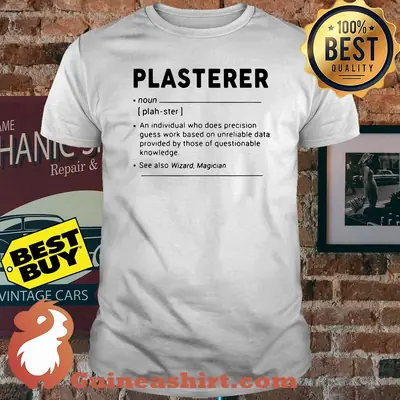
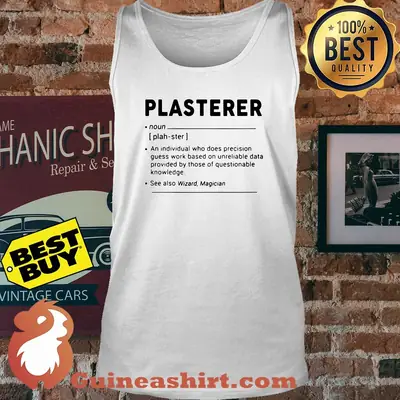
Plasterer meaning individual who precision guesswork based on unreliable data provided shirt


Trending
Reviews
There are no reviews yet.